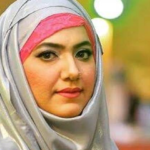

Pakistani actor and content creator Ali Dayan Walji has shared his thoughts on early marriage, stating that personal readiness and emotional maturity are more important factors than age when deciding to settle down.
In a recent viral video circulating on social media, the actor spoke candidly about his experience and offered a supportive view of marrying at a younger age. He emphasized that individuals develop at different stages, and therefore should not be judged solely on age when making life decisions.
According to Ali Dayan, some people reach maturity in their early twenties, while others may take longer to develop emotional stability and clarity. He suggested that if a person is financially independent, understands their responsibilities, and feels prepared for commitment, then early marriage can be a positive step.
He also shared that he had long envisioned getting married young and ultimately fulfilled that goal at the age of 23. Reflecting on his personal journey, he noted that marriage brought him stability, peace of mind, and a stronger sense of direction in life.
Ali Dayan explained that his post-marriage life has helped him become more focused both personally and professionally. He described the experience as transformative, stating that it encouraged him to adopt a more grounded and responsible outlook.
The actor is known for his work in projects such as Tum Larkay Bhi Na and Judwaa. He recently tied the knot with his childhood friend and longtime companion Wajiha Zaidi in an intimate ivory-themed Nikkah ceremony held in April 2026. He often refers to her as his closest friend and life partner.
His remarks have sparked discussion on social media, where users continue to debate the merits of early marriage in modern society. While some agreed with his perspective on emotional readiness, others emphasized financial stability and long-term planning as equally important considerations.
The conversation highlights a broader cultural dialogue around changing attitudes toward marriage in Pakistan, where individual choice and personal readiness are increasingly being weighed alongside traditional expectations.