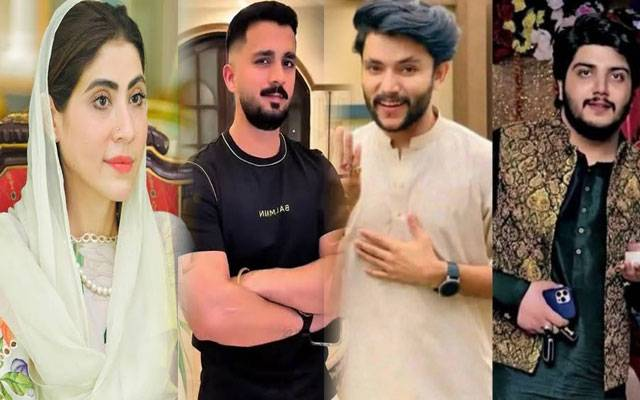
Punjab Member of the Provincial Assembly (MPA) Hina Pervaiz Butt has sparked widespread discussion after strongly criticizing several Pakistani social media influencers and urging parents to keep their children away from certain online content creators.
In a post shared on her X (formerly Twitter) account, Hina Pervaiz Butt included images of well-known influencers including Rajab Butt, Sami Rasheed, and Ali Hyderabadi. Alongside the images, she shared a strongly worded message warning about their influence on younger audiences.
The post stated that children who follow such influencers are being negatively impacted, and she urged parents to be more cautious about the type of digital content their children consume. Her remarks quickly circulated across social media, triggering a broader debate about the responsibilities of influencers and the role of parental supervision in the digital age.
Although she did not reference any specific incident, her statement comes amid ongoing controversies involving social media personalities, including public disputes, family conflicts, and allegations shared openly on digital platforms. In recent months, such incidents have become increasingly common, often gaining traction across YouTube, Instagram, and TikTok.
These developments have reignited discussions around online behavior, digital ethics, and the psychological impact of influencer culture on younger viewers. Critics argue that some creators normalize conflict-driven content, while supporters maintain that audiences have the freedom to choose what they watch and engage with.
The remarks by Hina Pervaiz Butt have divided opinion online. Some users agreed with her concerns, emphasizing the importance of monitoring children’s online activity. Others countered that responsibility should be shared between platforms, creators, and viewers rather than directed at specific individuals.
As influencer culture continues to expand in Pakistan, the debate highlights growing concerns about digital influence, content regulation, and the evolving relationship between public figures and their audiences.