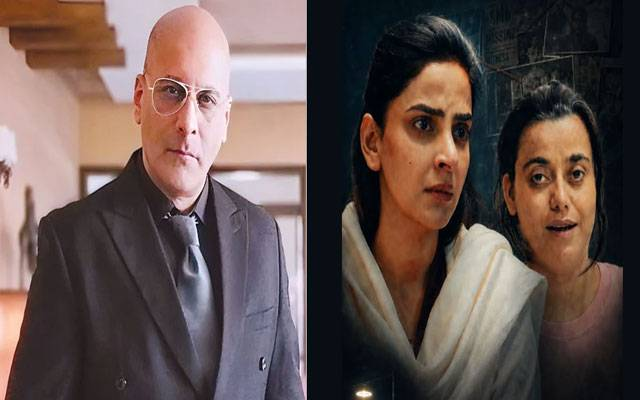

Pakistani actor and director Shamoon Abbasi has ignited a discussion on social media after expressing concerns about a reported television drama inspired by the widely publicized “Pinky” or “Cocaine Queen” case.
The veteran actor shared his views through a detailed Facebook post, questioning whether a controversial criminal case should be adapted into a prime-time television serial. His comments have since generated debate among entertainment fans and industry observers regarding the type of stories that should be brought to television screens.
In his statement, Shamoon emphasized that Pakistan is home to countless inspiring women whose real-life journeys are filled with courage, resilience, achievement, and determination. He argued that such stories could serve as powerful sources of motivation and positive influence for audiences across the country.
The actor suggested that television producers and writers should focus on narratives that educate, inspire, and empower viewers rather than dramatizing cases associated with crime and controversy. According to him, audiences would benefit more from stories that celebrate individuals who have overcome challenges and contributed positively to society.
Shamoon also referenced acclaimed actress Saba Qamar, noting her reputation for portraying meaningful and socially impactful characters. He questioned why a project reportedly centered on a controversial figure should become the focus of a major television production.
During his comments, the actor praised the recently aired drama Case No. 9, describing it as an example of content that successfully combined compelling storytelling with an important social message. He highlighted the show’s treatment of issues such as harassment and societal pressures faced by women.
Shamoon further commended the performances of Saba Qamar and Faysal Quraishi, stating that their work helped deliver a drama that resonated with audiences while addressing relevant social concerns.
The actor also suggested that if the controversial case were to be explored creatively, a feature film might be a more appropriate medium than a television serial. In his view, television dramas often reach family audiences, including younger viewers, making the subject matter particularly sensitive.
Another concern raised by Shamoon involved the possibility that dramatizing the alleged personal struggles and background of the central figure could unintentionally generate sympathy for someone associated with a criminal investigation. He stressed that many aspects of the case remain under scrutiny and that the full facts have yet to emerge publicly.
His remarks have fueled broader conversations about creative responsibility, media ethics, and the role of television in shaping public perceptions. Supporters of his viewpoint argue that entertainment platforms should prioritize stories with educational and inspirational value, while others maintain that television dramas have long explored complex and controversial real-life events.
As discussions continue, Shamoon Abbasi’s comments have once again highlighted the ongoing debate over balancing artistic freedom with social responsibility in Pakistan’s entertainment industry.